
How Writer Stephen King Was Rejected by Twelve Publishers

Stephen King threw the first pages of his famous book Carrie into the trash. He was a young teacher living in a trailer, and he felt like a failure who would never get a break. His wife, Tabitha, found the crumpled paper and told him he had something good, so he kept writing.
Most people think famous writers start out with big checks and easy wins. The truth for Stephen King was years of small checks and many letters saying no. He kept a big nail on his wall to hold every rejection slip he got from a magazine or a book house. By the time he was fourteen, the nail was so heavy with paper that it fell out of the wall, so he replaced it with a bigger one.
What happened when the twelve publishers said no?
Stephen King faced twelve rejections for his book Carrie before a company finally said yes. These were not just quick notes saying the book was bad. Some editors told him that people did not want to read stories about science fiction or scary things mixed with high school problems. They thought his idea was too weird to sell to a large crowd.
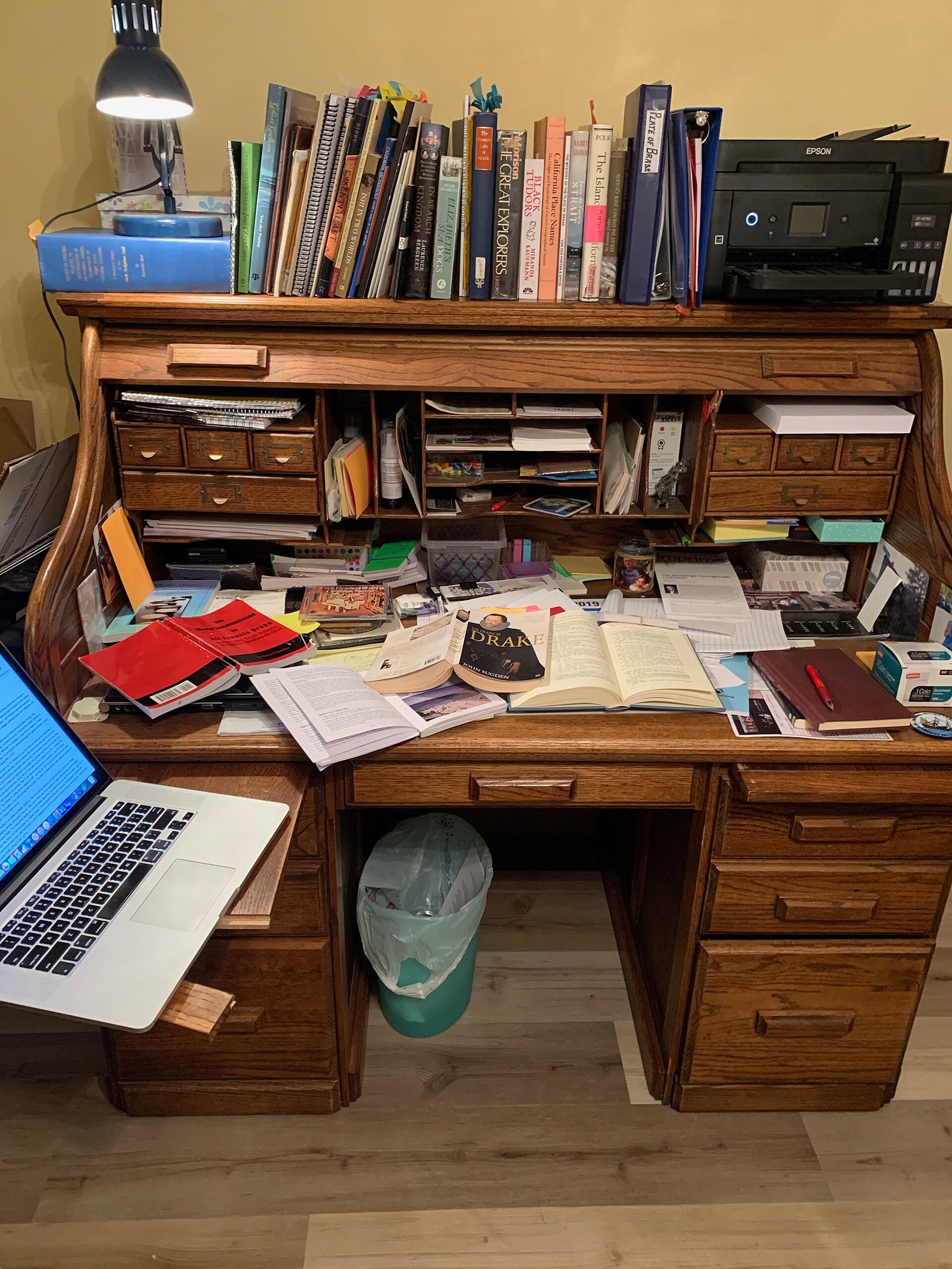
He was working as a high school English teacher and making very little money. His family was so poor they sometimes could not pay the phone bill. He wrote his stories on a small desk in the laundry room of their trailer. Every time a letter came back saying no, he just put it on the nail and started the next story. He did not let the “no” stop his hands from moving.
It is hard to keep going when experts tell you that your work is not good enough. King stayed focused on the work itself rather than the fame. He knew that writing was a job, and like any job, you have to show up every day. This mindset is a big part of finding success in any field you choose. He wrote two thousand words every single morning, no matter how many rejection slips were waiting in the mail.

The real turning point for the book Carrie
The turning point was not just getting the first “yes” from Doubleday. The real change happened when the rights to sell the book in paperback went up for bid. King was at home alone when his editor called to tell him the news. The book sold for $400,000, which was a massive amount of money in 1973. He was so shocked he almost fell over because he was used to scraping by on a teacher’s pay.
Before this big win, he had sold many short stories to men’s magazines for sixty or seventy dollars. Those small wins paid for medicine for his kids or a new tire for the car. He treated his writing like a trade, much like a carpenter treats building a house. If you want to learn about others who found their way through strange paths, read about The Twins Separated at Birth Who Met by Complete Chance to see how luck and fate work together.
King did not stop when he got rich. He used the money to buy a house and keep writing even more books. He showed that a “no” from a publisher is just one person’s opinion on one specific day. It does not mean the work is bad forever. He proved that if you stay at the desk long enough, the world eventually catches up to you.
How did he stay motivated after so many failures?
King had a simple rule: write every day, including his birthday and holidays. He believed that the more you do something, the better you get at it. He did not wait for a spark of magic to hit him. He sat down and did the work. This kind of grit is common in the life of a self-made man who starts with nothing but a dream and a lot of energy.
He also had a great partner in his wife. She believed in his talent even when he did not believe in himself. When he felt like giving up on Carrie, she was the one who pushed him to finish it. Having one person who backs you up can make a huge difference when the rest of the world is saying no. Do you have someone in your life who pushes you to keep going?
He also learned from every rejection. He looked at why the stories were sent back and tried to make the next one better. He did not take the “no” as a personal attack. He saw it as a sign that he needed to sharpen his tools. This is a great lesson for anyone trying to build something new. You can find more stories about famous writers and how they handled their early days on this site.
What can we learn from the nail on the wall?
The nail on the wall is a symbol of hard work. It shows that failure is not the end of the road. It is just a part of the process. King did not hide his rejection slips in a drawer where he could forget them. He put them right in front of his face. He wanted to remember that he was trying and that he was a real writer because he was getting rejected.
If you are not getting rejected, you might not be trying hard enough. It means you are staying in your safe zone. King stepped out of his safe zone every time he sent a story to a big magazine. He knew he might get hurt, but he did it anyway. That is the only way to grow. He once said that the scariest moment is always just before you start. After that, things can only get better.
Think about your own “nail on the wall.” What are you working on that might get a “no” today? It could be a job application, a new business idea, or a creative project. If you get a rejection, do not throw it away in sadness. Use it as fuel. King did, and now he is one of the most famous writers in the world. He has sold over 350 million books, all because he did not stop at twelve rejections.
The next time you feel like giving up, remember the man in the trailer. Remember the trash can and the pages his wife saved. Success often waits just on the other side of the word “no.” What is one small thing you can work on today to get closer to your goal?



One Comment